Best Metal Detector For Child UK (2025 Update)

Written by Piotr Lesniewski
Detectorist • Scotland
As an Amazon Associate we earn commission from qualifying purchases. Read our full Affiliate Disclosure.
If you’ve landed here, you’re probably thinking about introducing a child to the fantastic world of metal detecting.
There’s a unique thrill in unearthing a piece of history, a lost coin, or even just an interesting old button.
It’s an activity that gets kids outdoors, away from screens, and can spark a genuine interest in history and their local surroundings. The excitement on a child’s face when they get that first clear signal and dig up their very own find is just priceless.
Choosing the best children’s metal detector can feel a bit daunting, can’t it? There are so many options out there, and it’s easy to get bogged down in technical jargon.
A child’s first experience with metal detecting can truly make or break their interest in the hobby.
If the detector is too heavy for them to manage, overly complicated to operate, or simply doesn’t perform well enough to find anything, frustration can quickly set in, and that potential spark of interest can be extinguished before it even has a chance to catch fire.
On the other hand, a well-chosen children’s metal detector – one that’s comfortable for them to use and helps them make those exciting early, simple finds – can ignite a lifelong passion.
The Best Metal Detectors for Kids & Adventurers in 2025
Alright, let’s get to the shiny stuff! I’ve picked out four of the best children’s metal detectors.
These selections cover different needs and budgets for 2025, keeping in mind that the ‘best‘ really depends on your little one and what you’re looking for.
Nokta Mini Hoard
Best Overall Value for Money Kids Metal Detector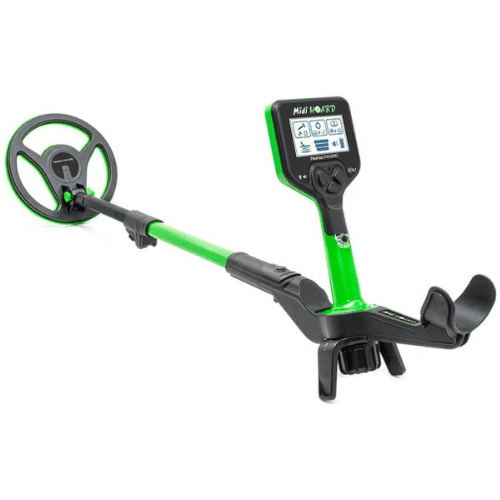
As an Amazon Associate we earn from qualifying purchases.
I Recommend This If...
- It’s genuinely waterproof, opening up more exploring fun at beaches and streams.
- Perfectly sized and weighted for younger kids (4-8 years) to handle comfortably.
- Simple enough for immediate fun, but with real detector features that teach basic skills.
- Excellent durability and build quality for its price point, meaning it can withstand enthusiastic use.
Best Overall Value for Money Kids Metal Detector: Nokta Mini Hoard
For me, the Nokta Mini Hoard hits that sweet spot between being genuinely kid-focused and offering proper detecting capabilities.
This isn’t just a toy; it’s a real, waterproof detector scaled down for younger kids. I find this children’s metal detector is ideal for ages 4-8.
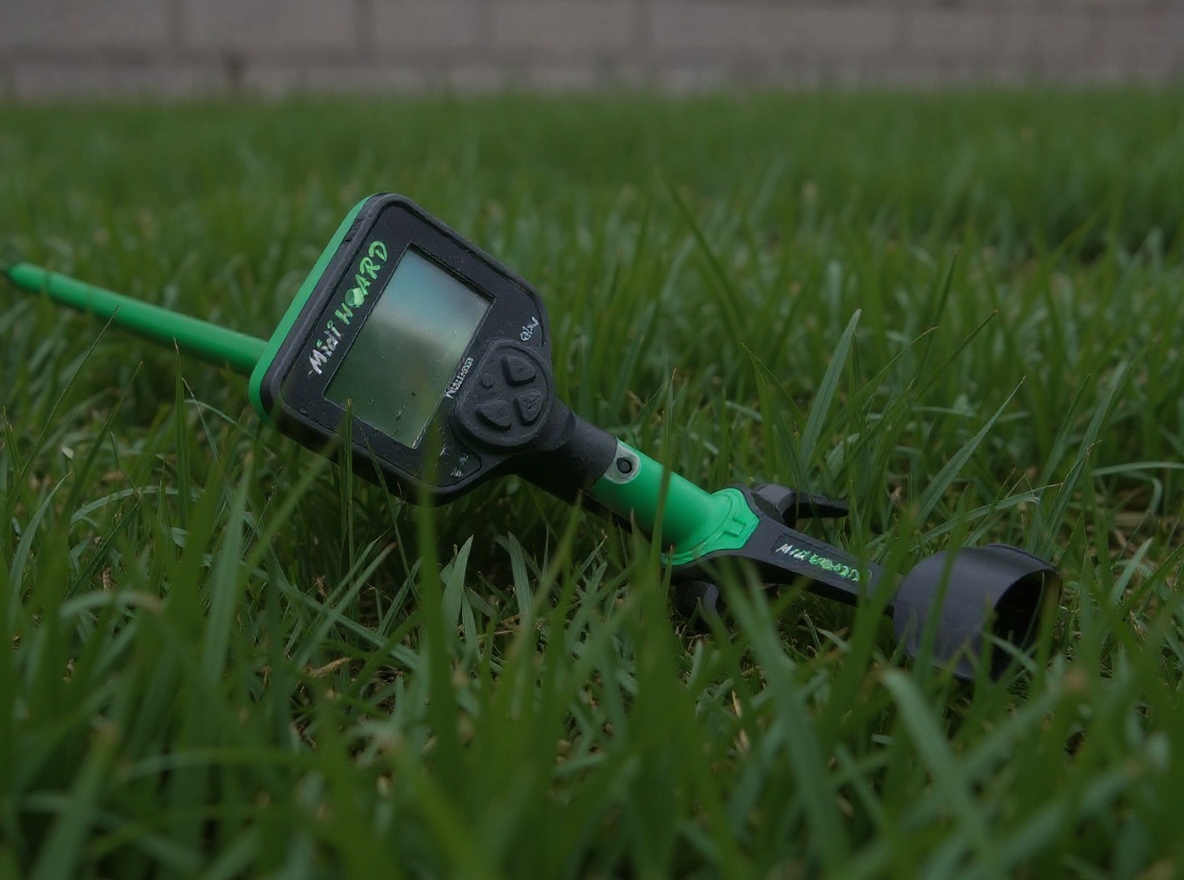
It’s robustly built, incredibly easy to use, and a standout feature is that it’s fully waterproof up to 1 metre (IP68 rated). This means those beach trips or puddle investigations are definitely on the cards without any worry!
At around 780g, it’s impressively lightweight, which is absolutely crucial for little arms to manage without tiring out too quickly. It also features a simple, easy-to-understand LCD display.
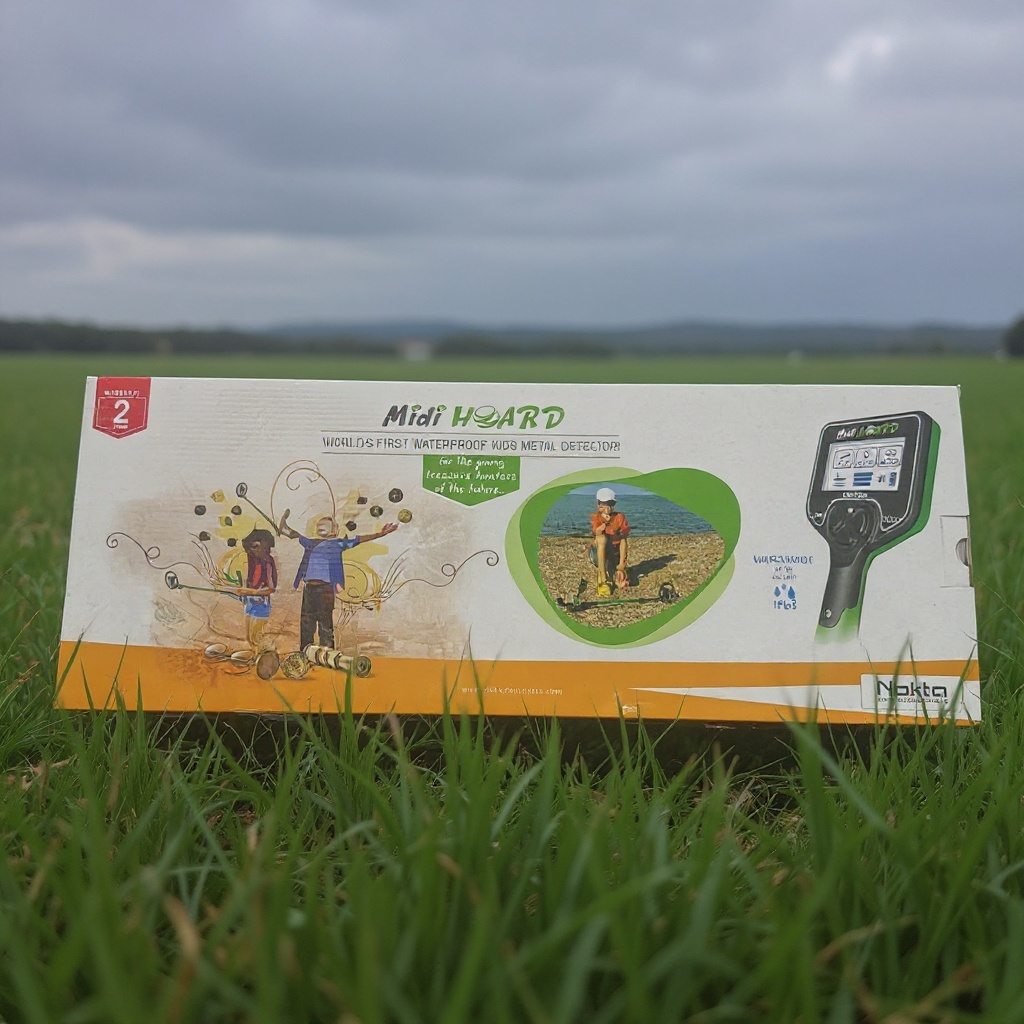
The Nokta Mini Hoard isn’t just branded as a kid’s detector; its specifications, such as its waterproofing, iron discrimination, and pinpoint mode , mirror features found on entry-level adult machines, just scaled down.
This provides a more authentic and engaging experience than a mere “toy,” allowing children to achieve real finds and learn basic detecting principles, fostering a deeper and more sustained interest.
NATIONAL GEOGRAPHIC
Best Mid-Range Children’s Metal Detector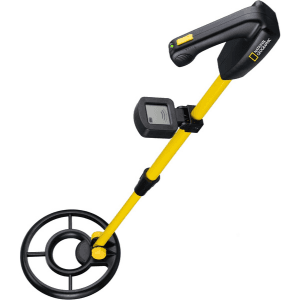
As an Amazon Associate we earn from qualifying purchases.
I Recommend This If...
- You are looking for a complete starter kit from a trusted educational brand that makes a great gift.
- You want an all-in-one package that includes essential accessories like a trowel and a learning guide to get started right away.
- You want to lean into the educational side of the hobby, using the brand's reputation to spark an interest in science and history.
- You need a reliable, mid-range option for casual fun in the park or garden that performs well for its price.
Best Mid-Range Children’s Metal Detector: NATIONAL GEOGRAPHIC Starter Metal Detector Kit
National Geographic makes some decent entry-level gear, and their kids’ metal detectors, often found as a ‘Starter Kit’ or ‘Junior Metal Detector’ , are a popular mid-range choice.
They’re generally lightweight (around 1.5 lbs / 680g, though some listings state up to 798g), have an adjustable arm for different heights, and a waterproof coil (usually a 7.5-inch dual coil).
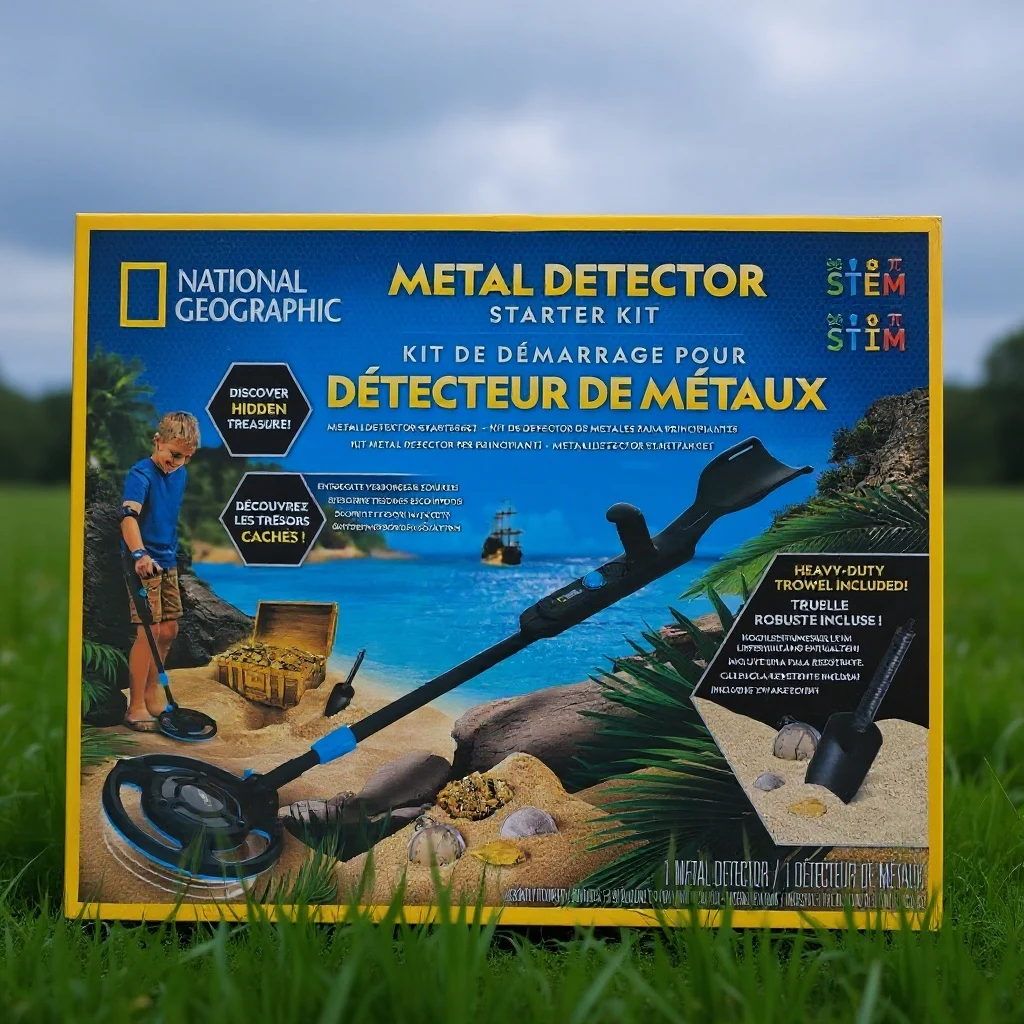
What I particularly like is that these often come packaged with a trowel and sometimes a learning guide, making it a nice complete set to get started straight away.
The National Geographic brand association inherently brings an “educational” value proposition that appeals to parents, and the inclusion of learning guides reinforces this, positioning the product as more than just a treasure hunter; it’s a tool for learning about history, science, and the outdoors.
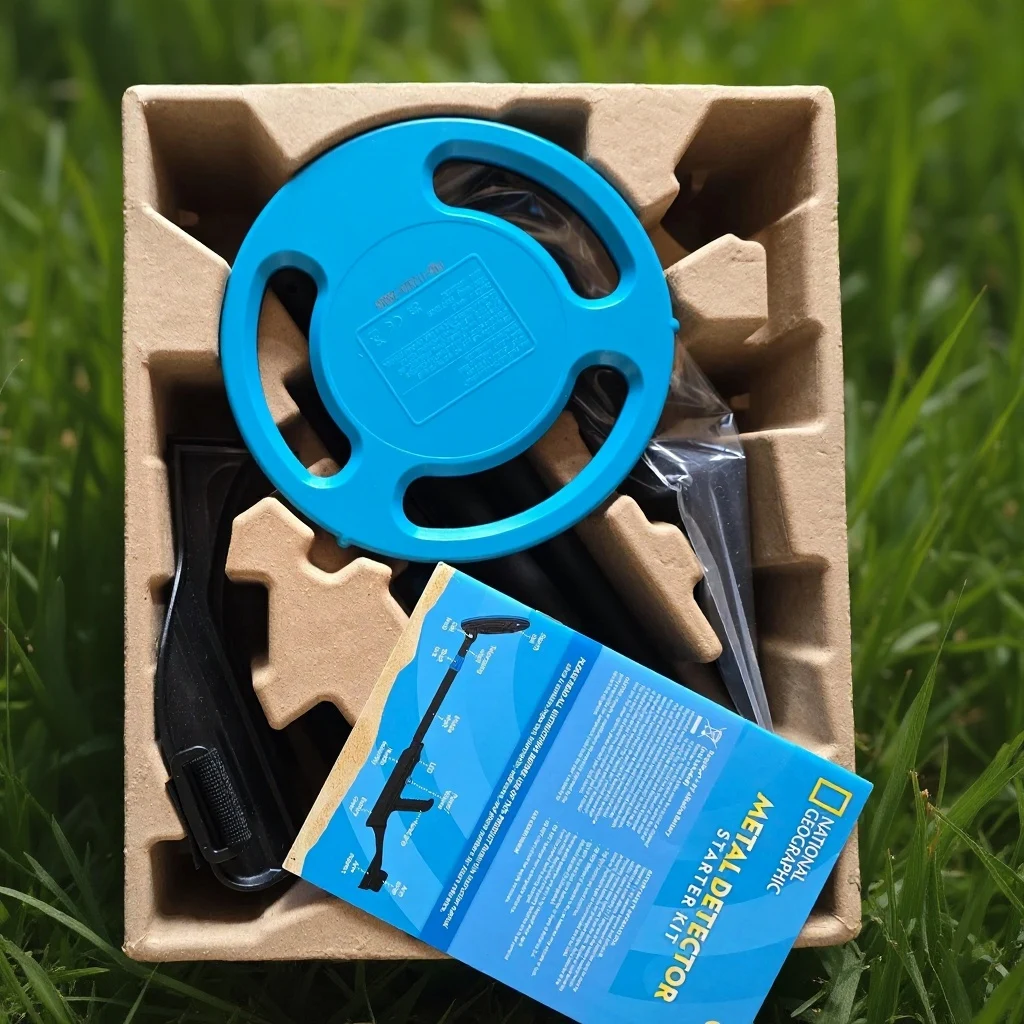
It’s not as feature-rich in terms of advanced settings as the Nokta Hoard series, but it’s a solid performer for the price and great for general fun in the park or on the beach.
Nokta Midi Hoard
Best High-End Childrens Metal Detector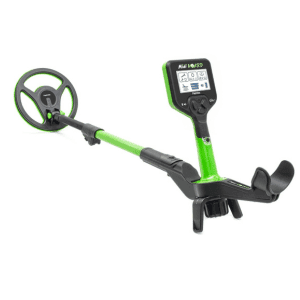
As an Amazon Associate we earn from qualifying purchases.
I Recommend This If...
- You are buying for an older child (roughly 8-12+) or for a younger one who is already showing serious passion for the hobby.
- You want to introduce more advanced concepts like multiple audio tones and sensitivity settings to deepen their skills
- You're looking for a high-performance machine they won't outgrow quickly, acting as the perfect bridge to an adult detector.
- You need a detector with better depth and ground coverage that retains the fantastic waterproof and kid-friendly design of the Mini Hoard.
Best High-End Childrens Metal Detector: Nokta Midi Hoard
If your young detectorist is a bit older (say, 8-12+ years) or is already showing serious enthusiasm for the hobby, the Nokta Midi Hoard is a fantastic step up.
It maintains the brilliant kid-friendly design and full IP68 waterproofing (submersible up to 1 metre/3ft) of its little sibling, the Mini, but cleverly adds more advanced features.
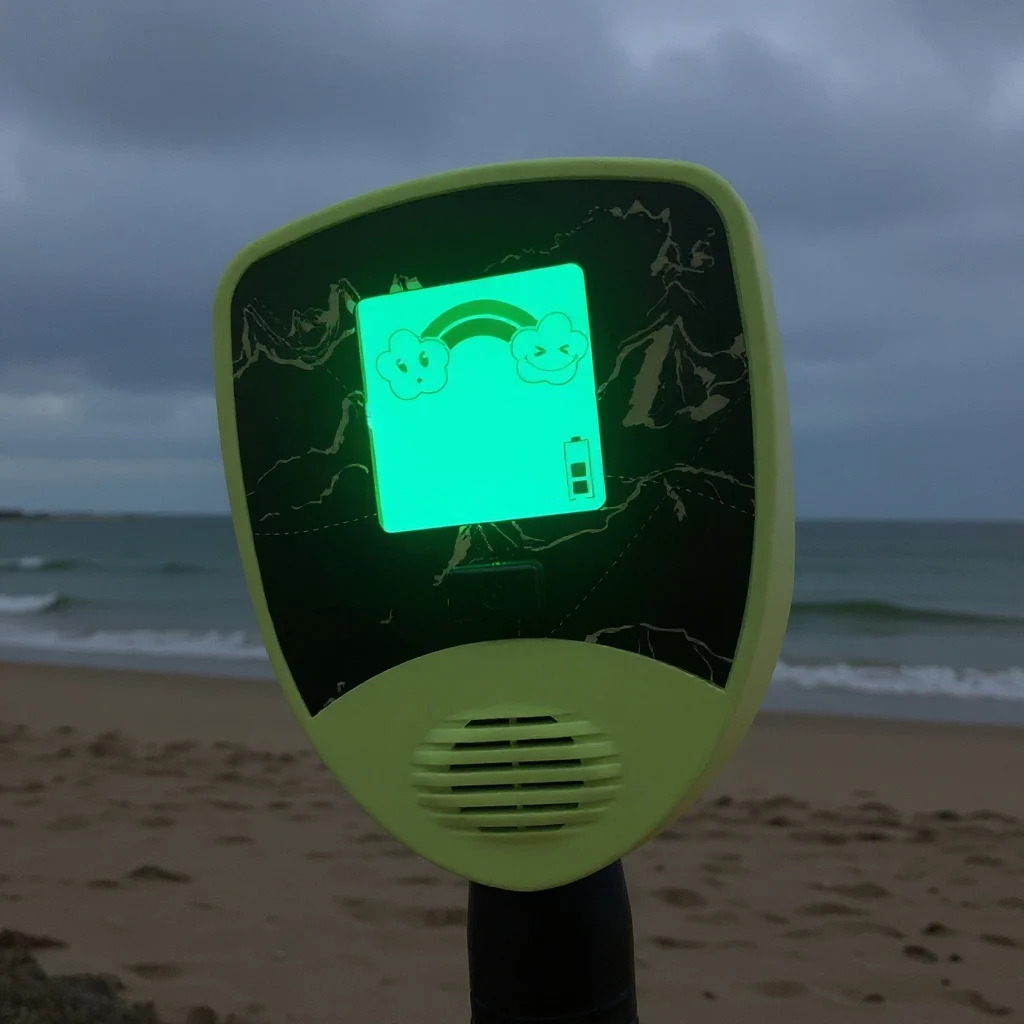
With the Midi, you get more audio tones (three distinct tones to help identify targets by sound), better discrimination capabilities (two levels to filter out unwanted metals), and adjustable sensitivity settings (three levels to fine-tune performance for different ground conditions).
It’s only slightly heavier than the Mini, at around 880g, and features a larger 7-inch (18cm) search coil, which can give a bit more ground coverage and depth.
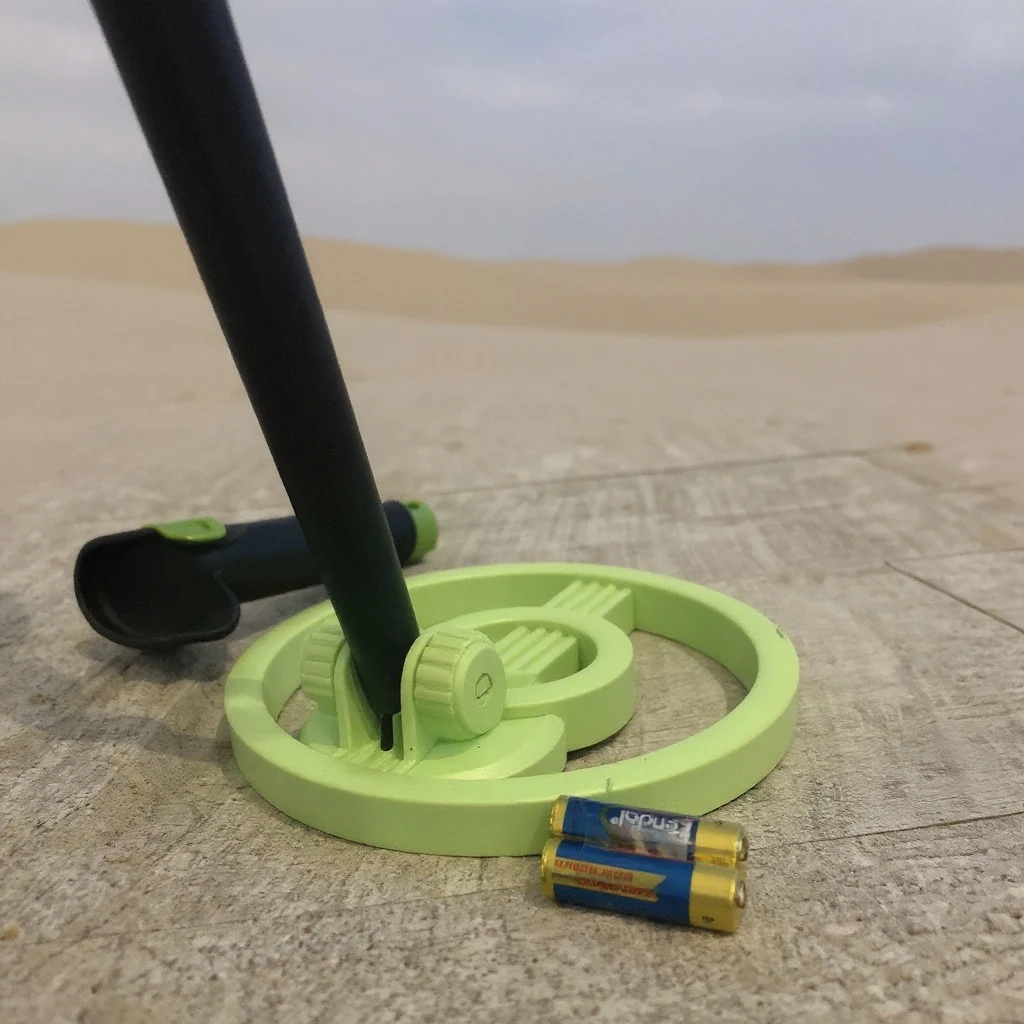
This metal detector truly acts as a crucial bridge between child-specific toys and more complex adult beginner metal detectors. It introduces concepts like multiple tones and sensitivity levels in a still manageable package, preparing them for a smoother transition to an adult machine if their interest continues, rather than a steep learning curve.
It’s a proper little metal detecting machine that they won’t outgrow in a hurry.
DR.ÖTEK MT9 MINI
Best Budget Childs Metal Detector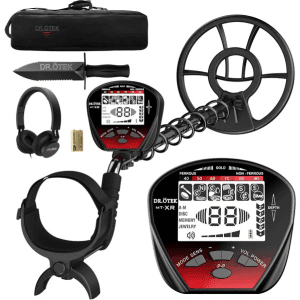
As an Amazon Associate we earn from qualifying purchases.
I Recommend This If...
- You are on a tight budget or simply want to test your child's interest in metal detecting before investing more money.
- You need the absolute lightest detector available, making it manageable for even the youngest children (ages 4 and up)
- You're looking for the most affordable and accessible entry point into the hobby without sacrificing basic functionality
- You want a very simple, brightly-colored machine that often comes with the basic plastic tools needed to start digging immediately.
Best Budget Childs Metal Detector: DR.ÖTEK MT9 MINI Metal Detector for Kids
If you’re on a tighter budget or just want to see if metal detecting clicks with your little one before investing more, the DR.ÖTEK MT9 MINI is a solid entry point. Its primary role is to significantly lower the financial barrier to entry, making the hobby accessible to more families and allowing for a low-risk trial. It’s incredibly lightweight, tipping the scales at only around 460g, making it one of the lightest options out there and perfect for very young children.
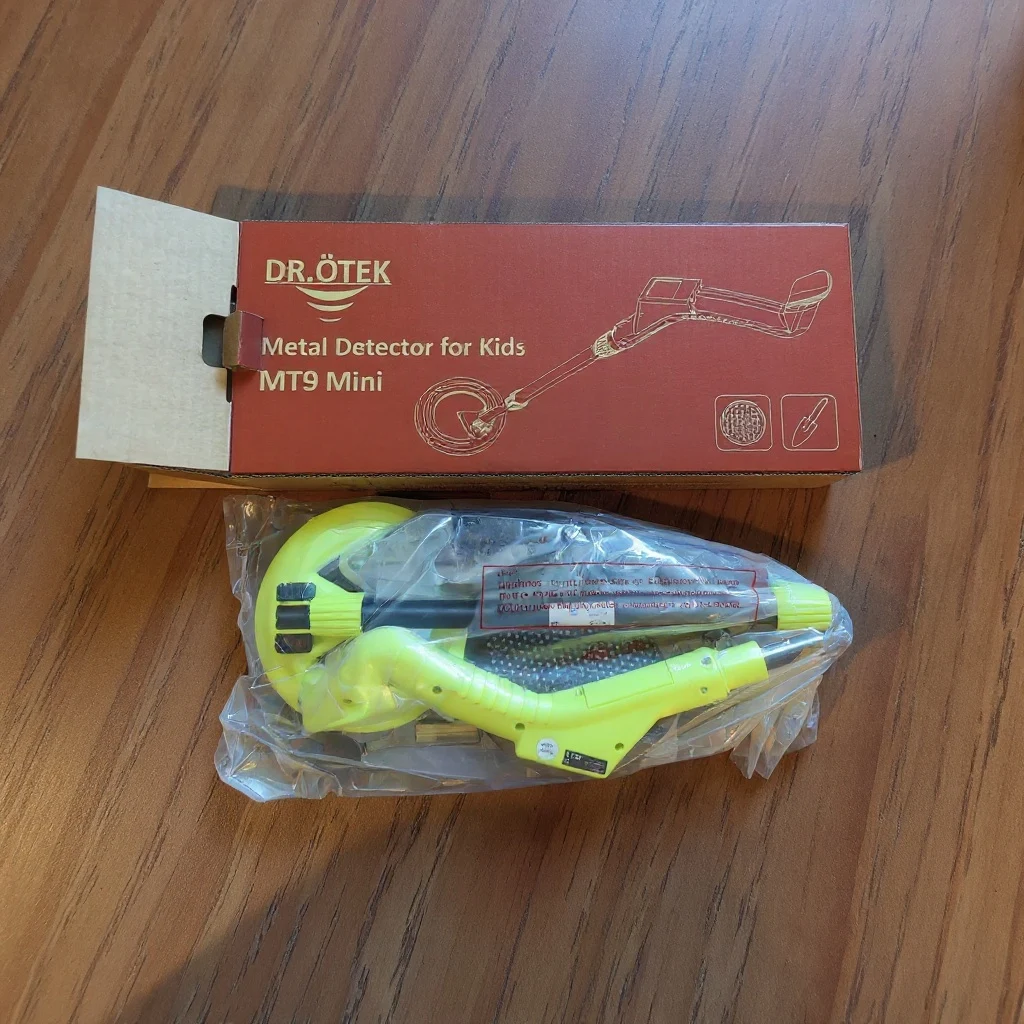
DR.ÖTEK suggests it’s for ages 3-12, though from my experience, an age range of 4-10 years is probably more realistic for its feature set. A key feature for this price point is its waterproof coil (16.7cm, which is approximately 6.6 inches), allowing for some fun at the water’s edge.
The LCD display is simple and designed to be intuitive for kids, and these detectors often come bundled with a little plastic sand sifter and shovel, so they have everything they need to start their adventure.
It’s basic, yes, but it works, it’s often brightly coloured which appeals to younger kids, and it’s priced very attractively to get them started.
Unearthing a Passion: Getting Your Child Hooked on Metal Detecting
The magic often starts close to home!
Before you even hit the fields or beaches, a fantastic way to spark initial interest is to try hiding a few modern coins in your own garden. Start with some on the surface so they can see them, then bury a couple just under some loose soil. Let them ‘find’ these with the detector.
That immediate success, the thrill of the beep and the discovery, is a huge motivator and can really get them excited.A child’s initial and sustained engagement in metal detecting is heavily influenced by the narrative created around the activity and the engineering of early, positive experiences.
Telling stories of exciting finds, whether local legends or things you’ve read about, can fire up their imagination about what treasures might be lurking beneath their feet.

What Kind of Child Thrives with Metal Detecting?
Honestly, most kids who love being outdoors and have a naturally curious streak will likely enjoy metal detecting. If they have a bit of patience (or if you can help them learn and develop patience!), enjoy a good mystery, and perhaps like collecting things, they’re prime candidates.
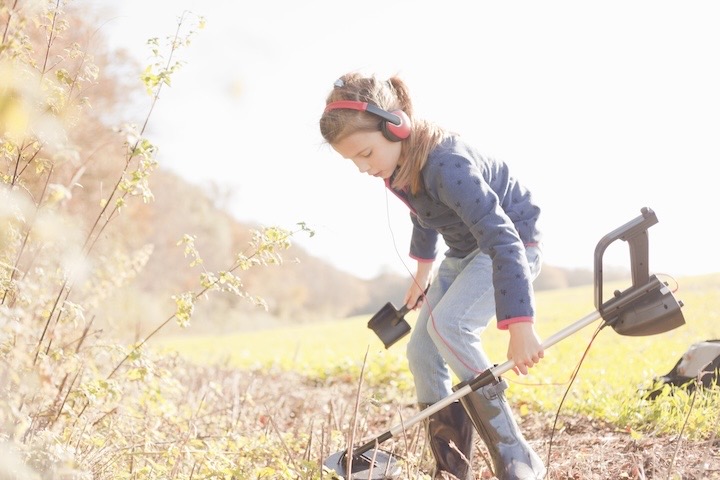
It’s a wonderful activity for inquisitive minds, little explorers, and those who enjoy a bit of quiet focus alongside the undeniable excitement of a potential find.Girl wearing headphones using metal detector in field
Best Age For Children To Start Metal Detecting
You can actually start them quite young!With a super-lightweight detector like the DR.ÖTEK MT9 MINI 22 or the Nokta Mini Hoard 3, children as young as 4 or 5 can certainly have a go, with close adult supervision, of course.
The ages of 6-10 often represent a sweet spot where children have developed the necessary motor skills and attention span to get really into it and operate the detector more independently.
You’ll find that many metal detecting experience days cater to age groups like 5-8 and 9-13 years old.Older kids, say from 10-13+ years, can handle more advanced metal detectors and will appreciate features that help them find more interesting items and understand the nuances of detecting.
It’s worth remembering that children under 16 usually need to be accompanied by an adult on organised digs or when detecting on many public permissions.5 year old blond boy playing on a mound of dirt without hygiene digging holes.
Your First Family Metal Detecting Trip: Tips for Success (and Fun!)
Making Sense of the Beeps:
Keep it simple to start.Most kids’ detectors will have different tones for different types of metals. Your job is to help them learn the ‘good beep‘ (often a higher, clearer pitch for conductive targets like coins) versus the ‘iffy beep‘ (often a lower, grunter tone, typically for iron).
Don’t worry too much about complex target ID numbers or visual displays at first; let their ears guide them.
Where to Go (The Golden Rule of Permission!)
Your garden is the perfect starting point, as you already have permission!. Then, perhaps a friend’s or relative’s garden (always with their explicit permission, of course!).Beaches are fantastic for metal detecting beginners as they often yield lost coins and jewellery, and the digging is easy.
For many beaches in the UK (Crown Estate beaches), specific permission for beach metal detecting isn’t usually required, but it’s always wise to double-check local bylaws as some councils may have their own rules.
The Crown Estate Map online can be a helpful resource for this.
Crucially: For any private land (fields, woodlands, pasture), you MUST get explicit permission from the landowner before you even think about stepping onto it with a detector.
This is non-negotiable in the UK and a cornerstone of responsible detecting.
Essential Kit Beyond the Childrens Metal Detector:
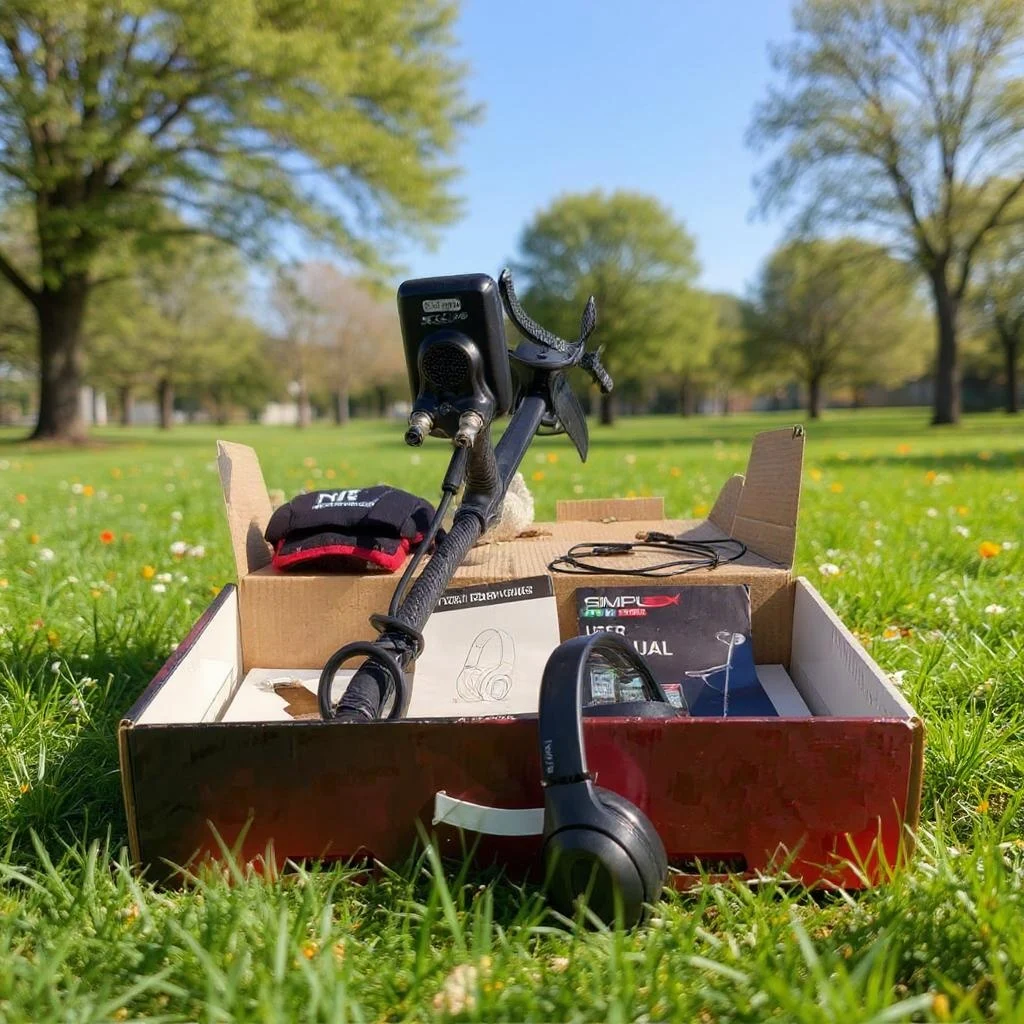
A small, sturdy trowel or digging tool. Some starter kits, like the National Geographic one, often include one.
Gloves – to protect little hands from sharp objects that might be in the soil, and just to keep them a bit cleaner.
A finds pouch or even just an old pocket they can dedicate to their treasures.
Maybe some headphones, especially if their detector has a headphone jack. It helps them focus on the sounds and can be less distracting to others nearby.
Keeping Spirits High
Manage expectations from the outset.They won’t find a pirate hoard on every trip (or likely, ever!). Celebrate every find, even if it’s just an old button, a modern penny, or an interesting-looking piece of scrap. It’s all part of the adventure and the learning process.Take regular breaks, bring snacks and drinks, and make the whole experience a fun outing, not a chore.
Safety First: My Non-Negotiables:
Always supervise children, especially when they are digging.
Teach them to dig carefully and, most importantly, to fill in their holes neatly. The aim is to leave no trace that you were ever there!. This is absolutely vital for the reputation of our hobby.
Be aware of any livestock in fields and ensure crops are not damaged. Always respect the Countryside Code.
If they find anything that looks like live ammunition, an unexploded bomb, or any other potentially dangerous object,
DO NOT TOUCH IT
. Mark the site carefully from a safe distance and report the find to the local police and the landowner immediately.
Teaching children these practical and ethical aspects of metal detecting from their very first outing – the importance of permission, the necessity of filling holes, general safety, and respecting the land – is crucial for instilling lifelong responsible habits.These habits benefit not only the individual but also the public image and accessibility of the hobby for everyone.
A Quick Heads-Up: Metal Detecting by the Rules in the UK
Adherence to UK metal detecting laws and codes of conduct is not merely about avoiding penalties; it’s fundamental to the long-term sustainability and public acceptance of the hobby.Educating beginners, including children (and their supervising adults!), from the outset is vital.The Absolute Must-Knows:
I can’t stress this enough:
Always get permission from the landowner before you step foot on any private land.
It’s the law, and it’s just good manners and common sense. Trespassing while detecting can lead to serious trouble.
Respect the Countryside Code:
leave gates as you find them (open or closed), do not damage crops or frighten animals, avoid disturbing nesting birds, and take all your litter (and ideally any other litter you find) home with you.
The Treasure Act (Simplified for Beginners):
If your child (or you!) stumbles upon something truly old and potentially valuable (like a hoard of gold or silver coins, or prehistoric metalwork), it might be classed as ‘Treasure’ under the Treasure Act 1996.
You must report potential Treasure finds to your local Finds Liaison Officer (FLO), who is part of the Portable Antiquities Scheme (PAS), or to the local Coroner, within 14 days of finding it or realising it might be Treasure. Your FLO will be happy to help you with this process.
Don’t worry about losing out – if an item is declared Treasure and a museum wishes to acquire it, a reward equivalent to the market value is typically paid. This reward is often shared between the finder and the landowner, assuming you had permission to be there and acted in good faith.
Even if your finds are not Treasure, it’s highly encouraged to record them with the Portable Antiquities Scheme (PAS). This data helps archaeologists and historians build a much richer picture of our past.
Protected Sites:
It is illegal to use a metal detector on Scheduled Monuments (SMs) or Sites of Special Scientific Interest (SSSIs) without official permission from the relevant authorities (e.g., Historic England, Cadw, Historic Environment Scotland). Such permission is very rarely granted for general hobbyist detecting Basically, if an area looks like an ancient ruin, an archaeological site, or a specially protected nature spot, steer well clear unless you have explicit, official permission. Many National Trust and English Heritage properties also prohibit detecting.
Being a Good Ambassador:
Remember, when you and your child are out detecting, you’re representing our hobby to the public and to landowners. Be polite if approached, be responsible in your actions, and always leave the land as you found it, or ideally, even better by removing any modern rubbish you unearth.
Quick Summary
| Rank | Detector | Amazon Link |
|---|---|---|
| #1 | Nokta Mini Hoard Best Overall Value for Money Kids Metal Detector | View On Amazon |
| #2 | NATIONAL GEOGRAPHIC Best Mid-Range Children’s Metal Detector | View On Amazon |
| #3 | Nokta Midi Hoard Best High-End Childrens Metal Detector | View On Amazon |
| #4 | DR.ÖTEK MT9 MINI Best Budget Childs Metal Detector | View On Amazon |
As an Amazon Associate we earn from qualifying purchases.
Final Thoughts from Your Friendly Detectorist
Phew! That’s a fair bit of information to take in, but I genuinely hope it’s given you a really solid start in thinking about choosing the best metal detector for your child and how to approach this wonderful hobby.Metal detecting with your kids isn’t just about the things you find; it’s about the adventures you share, the fresh air you enjoy, the local history you can uncover together, and the pure, simple joy of discovery.
It’s about making those lasting memories, the kind that you’ll all look back on fondly for years to come.So, my best advice is to pick a detector from the list that feels right for your child’s age, your budget, and your aspirations for them in the hobby.
Get out there, be patient (it’s a virtue in detecting!), be safe, always follow the rules, and most importantly, have an absolutely brilliant time.
Happy hunting!
Author Profile
Piotr Lesniewski
"Digging up the past, one signal at a time."
Polish-born, Scotland-based, and obsessed with the beep. My passion began decades ago, exploring fields with my Dziadek (grandfather). Now, with over 10 years of digging under my belt, I'm here to share everything I've learned—unfiltered and unbiased—to help you unearth your own piece of history. No sales pitches, just real field experience.